
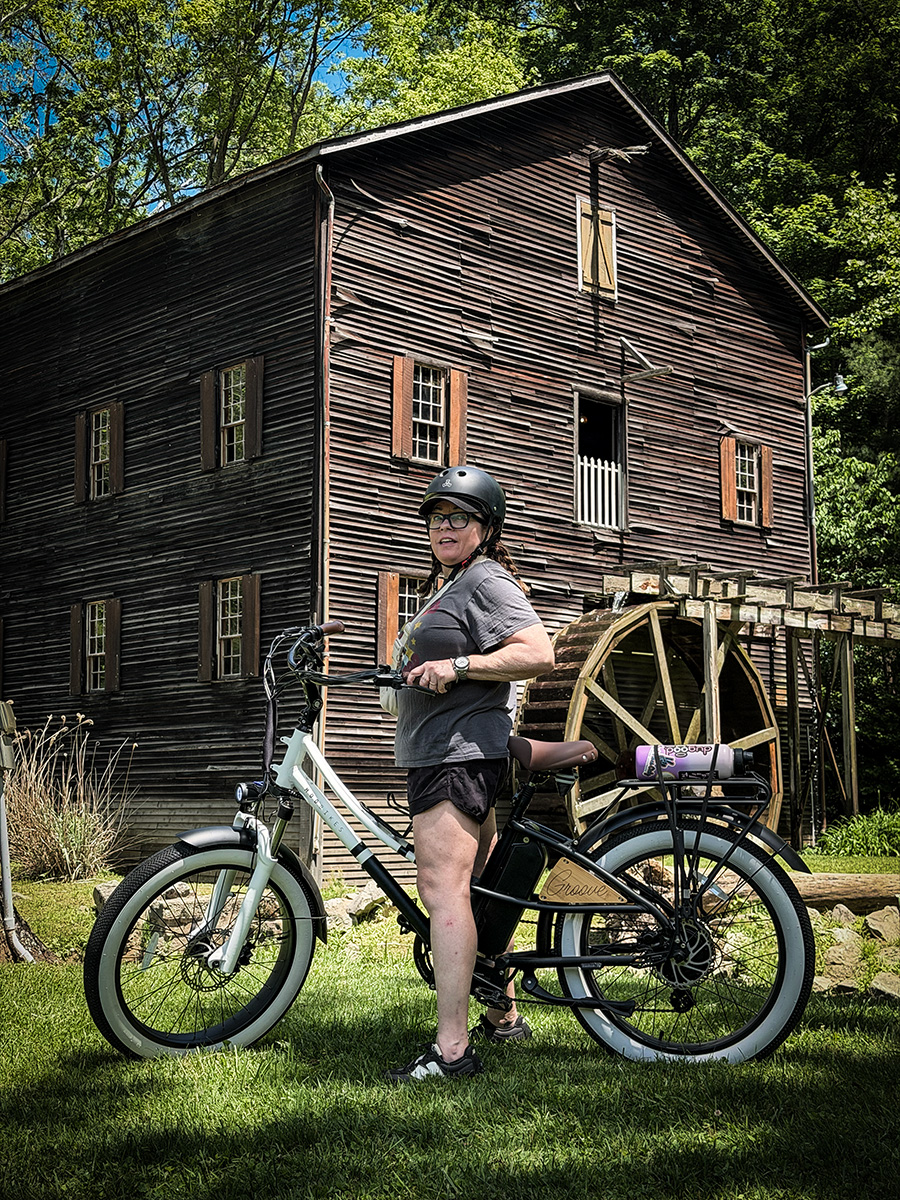
The State of Mind on Two Wheels: Why Beach Cruisers Transcend the Shoreline
When you picture a beach cruiser, your mind likely fills with a very specific set of sights and sounds: the crash of ocean waves, the smell of saltwater, a sun-bleached boardwalk, and someone coasting effortlessly along the sand without a care in the world. It is an iconic image. But to limit the cruiser to the coastline is to misunderstand its true magic.
A beach cruiser is not defined by geographic proximity to an ocean. It is defined by a feeling. It represents a deliberate choice to slow down, sit upright, and trade the frantic pace of modern life for a relaxed, sun-drenched state of mind. Whether you are navigating a bustling coastal boardwalk or a quiet, tree-lined path in the heart of Ohio, a cruiser instantly injects that laid-back beach vibe into every single pedal stroke.
The Evolution of an Icon: A Brief History
To understand how a heavy, single-speed bicycle became the ultimate symbol of relaxation, you have to look back nearly a century. The beach cruiser was actually born far from the ocean, engineered out of sheer necessity during one of the toughest eras in American history.
1933 — The Birth of the ‘Motorbike’
Amid the Great Depression, adult bicycle sales plummeted because bikes were seen as fragile, expensive luxury items. In response, the Schwinn Bicycle Company introduced the B-10E “Motorbike.” It featured no actual motor but borrowed heavy-duty styling from motorcycles and introduced thick, 2-inch “balloon” tires designed to absorb brutal road impacts.
1934 — Streamlining an Aesthetic
Schwinn restyled the bike into the “Aero Cycle,” adding a streamlined top tube, a faux gas tank, and a battery-powered headlight. This rugged, beautiful look captured the imagination of American youth and set the design blueprint that cruiser bikes still use today.
1940s – 1950s — The Post-War Heyday
Cruiser bikes skyrocketed in popularity after World War II. Known for being virtually indestructible, they became the ultimate utilitarian workhorses of mid-century America—famously relied upon by paperboys, neighborhood couriers, and students hauling heavy stacks of books.
1960s — The Great Decline
The cruiser’s dominance faced a massive challenge with the arrival of nimble, lightweight European imports like the “English Roadster.” These bikes featured narrow tires and multiple gears for climbing hills. Simultaneously, the youth market shifted toward aggressive BMX models and chopper-style bikes with banana seats, leaving old cruisers to gather dust in garages.
1976 — The Coastal Rebirth
Discarded mid-century cruisers found a second life on the coastlines of Southern California. Surfers and beachgoers snapped up the cheap, durable “clunkers” at garage sales because their wide tires easily glided over sand and their simple coaster brakes could withstand salty air. In 1976, Larry McNeely of Recycled Cycles in Newport Beach coined and trademarked the term “Beach Cruiser,” cementing the bike’s new identity.
More Than a Bike: It’s a Laid-Back Vibe
So, what exactly is the “beach cruiser vibe”? It is the exact antithesis of modern cycling culture.
Modern biking is often dominated by metrics: heart rates, aerodynamic spandex, carbon fiber weight-shaving, and the aggressive posture of leaning low over dropped handlebars. It is a sport focused on speed, performance, and conquering the environment.
The beach cruiser rejects all of that.
With its swept-back handlebars, a cruiser forces you to sit completely upright. It aligns your spine, drops your shoulders, and opens your field of vision. You aren’t staring down at the asphalt, counting your RPMs; you are looking at the canopy of trees above, waving at neighbors, and taking in the landscape.
The wide, heavily padded saddle behaves more like a living room armchair than a bicycle seat. The iconic balloon tires aren’t built for breaking speed records—they are built to iron out the imperfections of the path beneath you, transforming a bumpy trail into a glassy wave. On a cruiser, the journey is completely stripped of urgency.
The Universal Vibe: You don’t need palm trees or a tidal wave to experience this shift in perspective. The moment your hands grip those wide bars, your breathing slows, your pace eases, and the frantic rush of daily responsibilities completely melts away.
Bringing the Coast Inland
This unique ability to alter your state of mind is precisely why the cruiser has traveled far beyond the Pacific and Atlantic coastlines. It has found a natural home anywhere people want to escape the noise, disconnect from their screens, and immerse themselves in natural beauty.
You don’t need a sprawling ocean skyline to enjoy the deep relaxation of a premium beach ride. When you are surrounded by lush forests, winding rivers, and stunning green valleys, the open path is your boardwalk. You can step into a whole new world of exploration, completely on your own terms, without ever having to pack a bag for the coast.
When you are ready to slow down, leave the logistics behind, and experience the ultimate, unhurried outdoor escape, you don’t need to look any further than the heart of the Mohican valley. Let Bear Bait Bike & Board bring the beach to you.